Starting a lower-waste routine can feel easier when it begins with useful swaps and small projects that fit daily life.
These 10 gifts for zero waste beginners span kitchen habits, reusable essentials, and ways to grow or compost at home.
10 Gift Ideas for Someone Starting a Lower-Waste Lifestyle
EPICA 1.3-Gallon Countertop Compost Bin
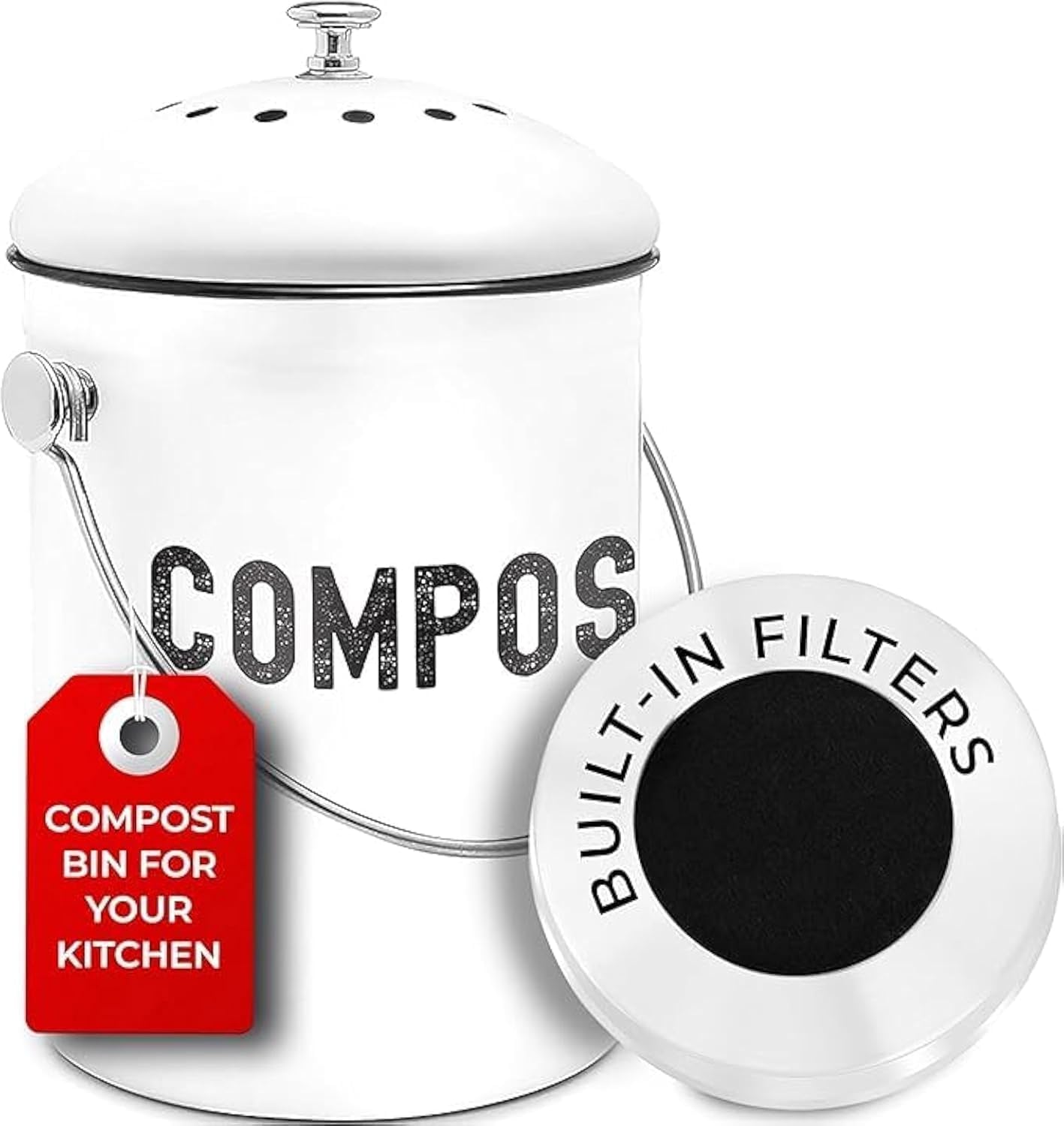
- An airtight lid and replaceable activated-charcoal filter help manage kitchen odors.
- The stainless steel bin is designed to resist rust and leaks.
- Its 1.3-gallon capacity holds several days of organic kitchen waste.
Best Gift For: A home cook beginning to collect food scraps before composting.

Redmon 65-Gallon Outdoor Compost Bin
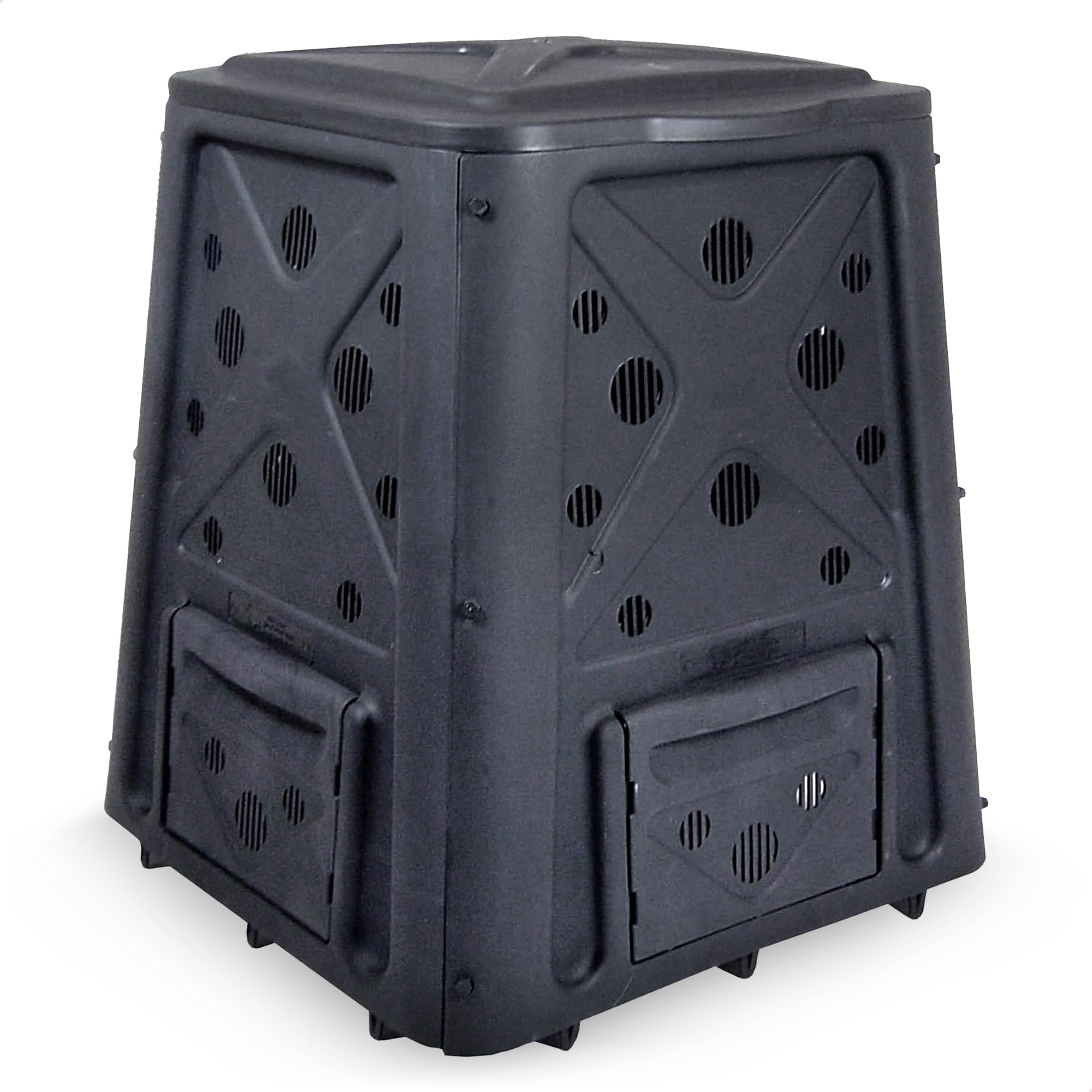
- Made using recycled materials for outdoor composting.
- A lift-off lid and four access doors provide access to compost.
- The bin is designed to vent organic materials during composting.
Best Gift For: A beginner with outdoor space who wants a large composting setup for garden waste.
PrepNaturals 5-Pack Glass Meal Prep Containers
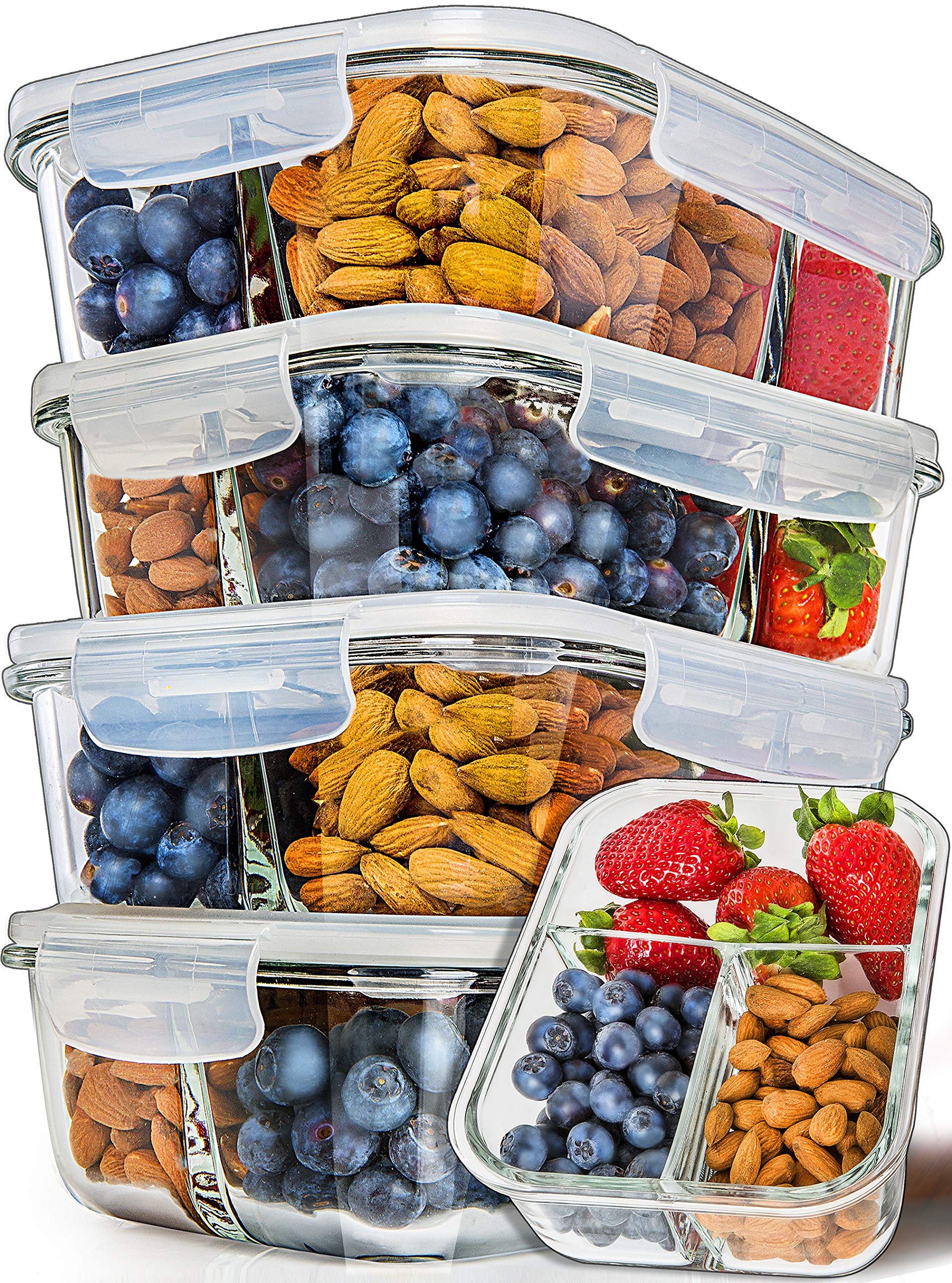
- The set includes five glass containers with multiple compartments.
- Borosilicate glass containers are oven-safe and microwave-safe.
- The lids are airtight and leak-resistant for food storage.
Best Gift For: Someone beginning to pack home-cooked meals for work, the gym, or travel.
Fellow Carter Move 16 oz Travel Mug
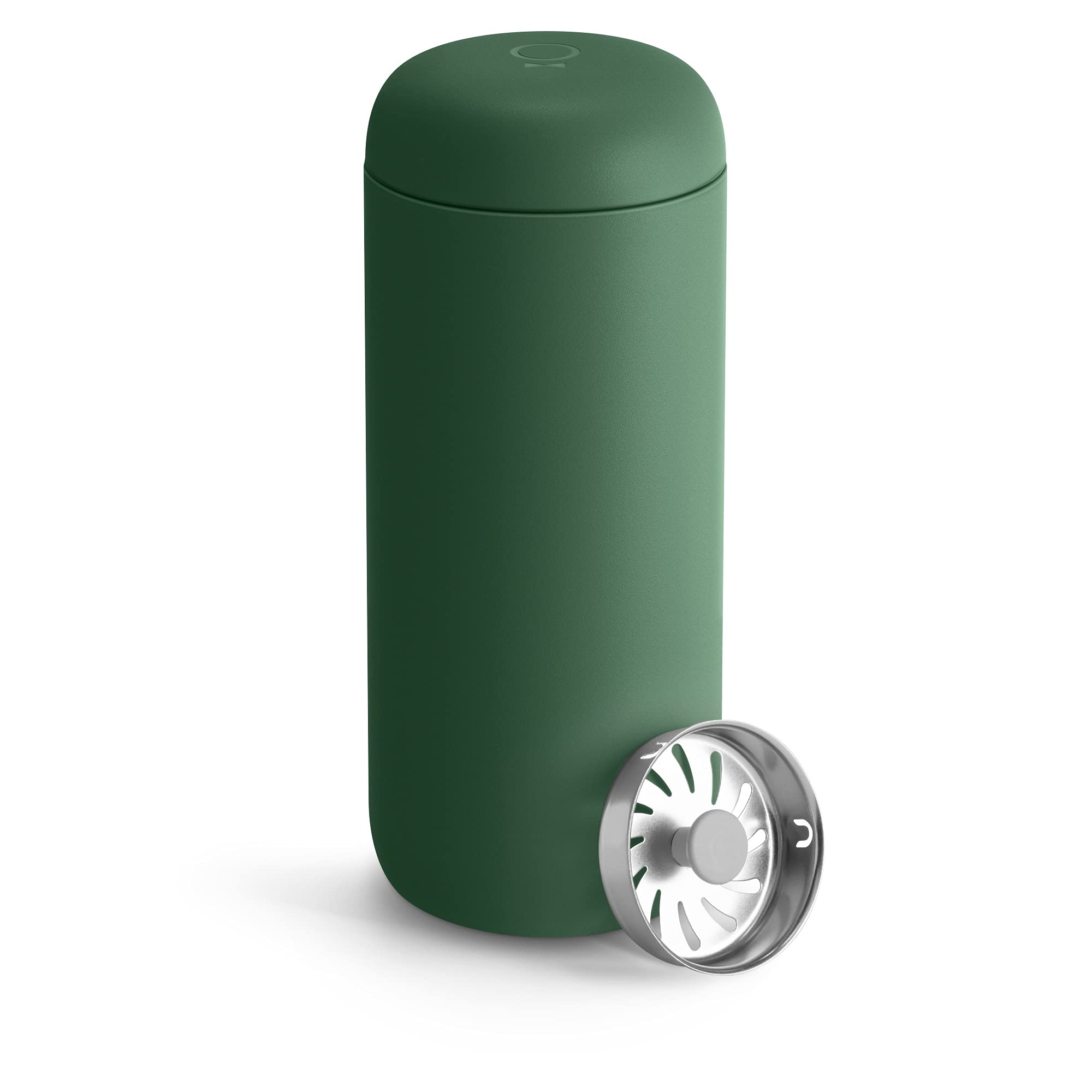
- The ceramic-coated interior is designed to keep drinks free from lingering oils, odors, or metallic notes.
- A removable splash guard helps steady liquid when the lid is off.
- The mug is dishwasher safe for everyday cleaning.
Best Gift For: A commuter or coffee drinker who wants a reusable mug for drinks on the go.
Hydracy 2L Reusable Water Bottle
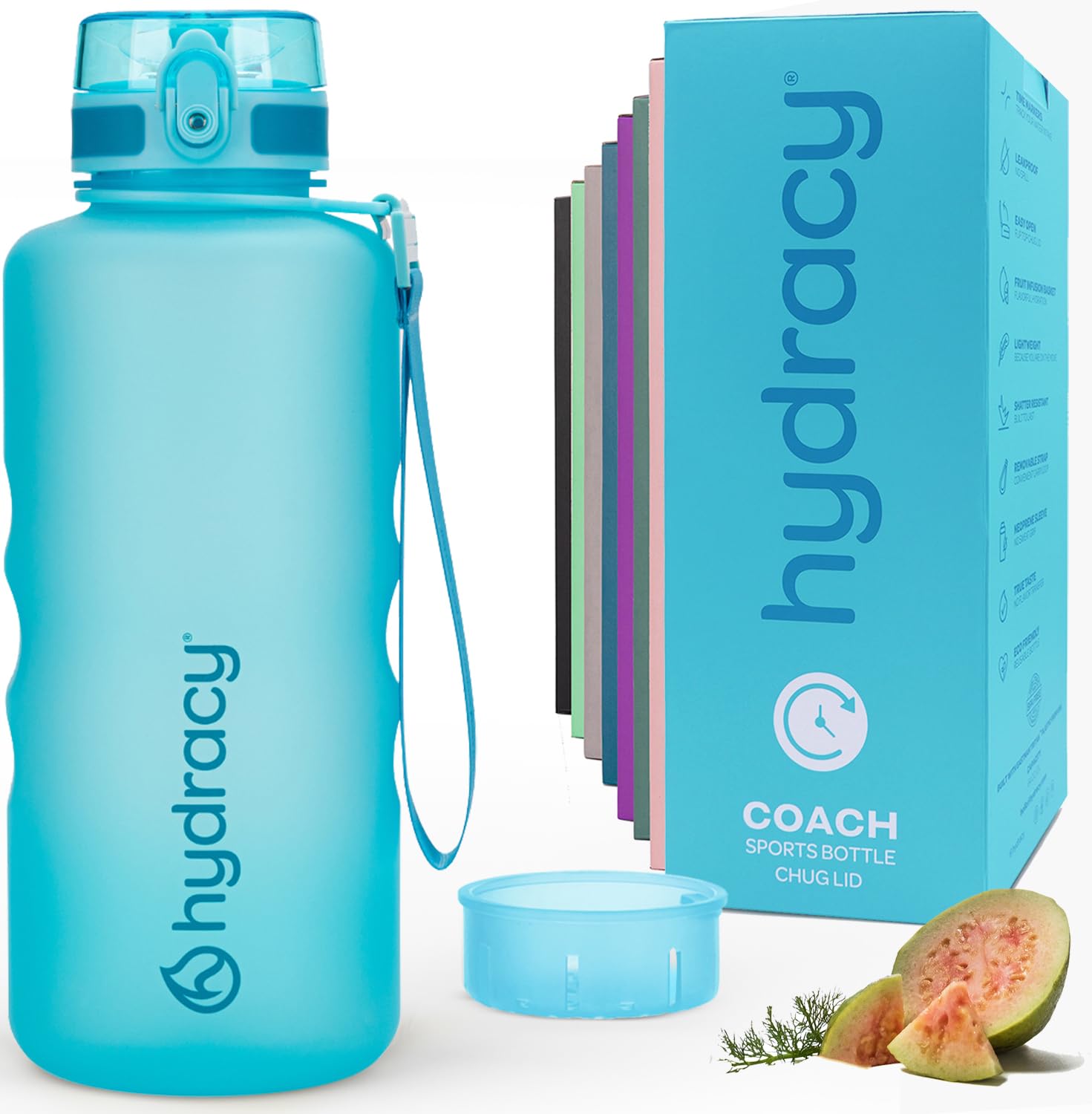
- The bottle is made from reusable Tritan plastic and is BPA-free.
- A timeline on the bottle marks when to take a sip.
- It has a detachable carry strap and spill-proof flip-top lid.
Best Gift For: A beginner who wants a reusable bottle for fitness, cycling, hiking, camping, or workouts.
MagSafe-Compatible 5000mAh Slim Wireless Power Bank
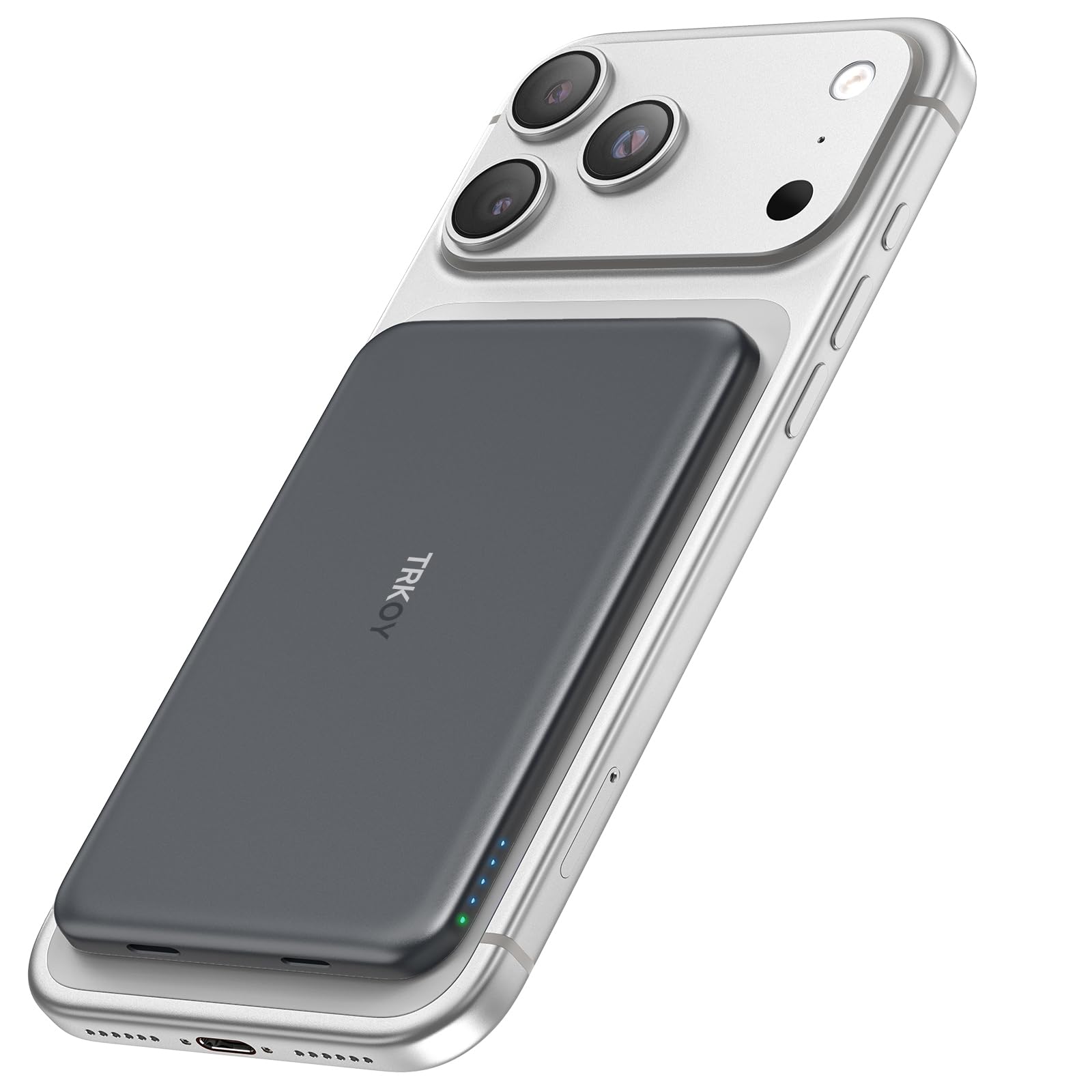
- The slim magnetic charger is designed for MagSafe compatibility.
- It has a 5000mAh battery capacity.
- USB-C output provides wired charging for iPad, AirPods, and Apple Watch.
Best Gift For: A phone user who wants portable backup power and has a compatible MagSafe setup.
Ahopegarden 10-Pod Indoor Hydroponic Garden
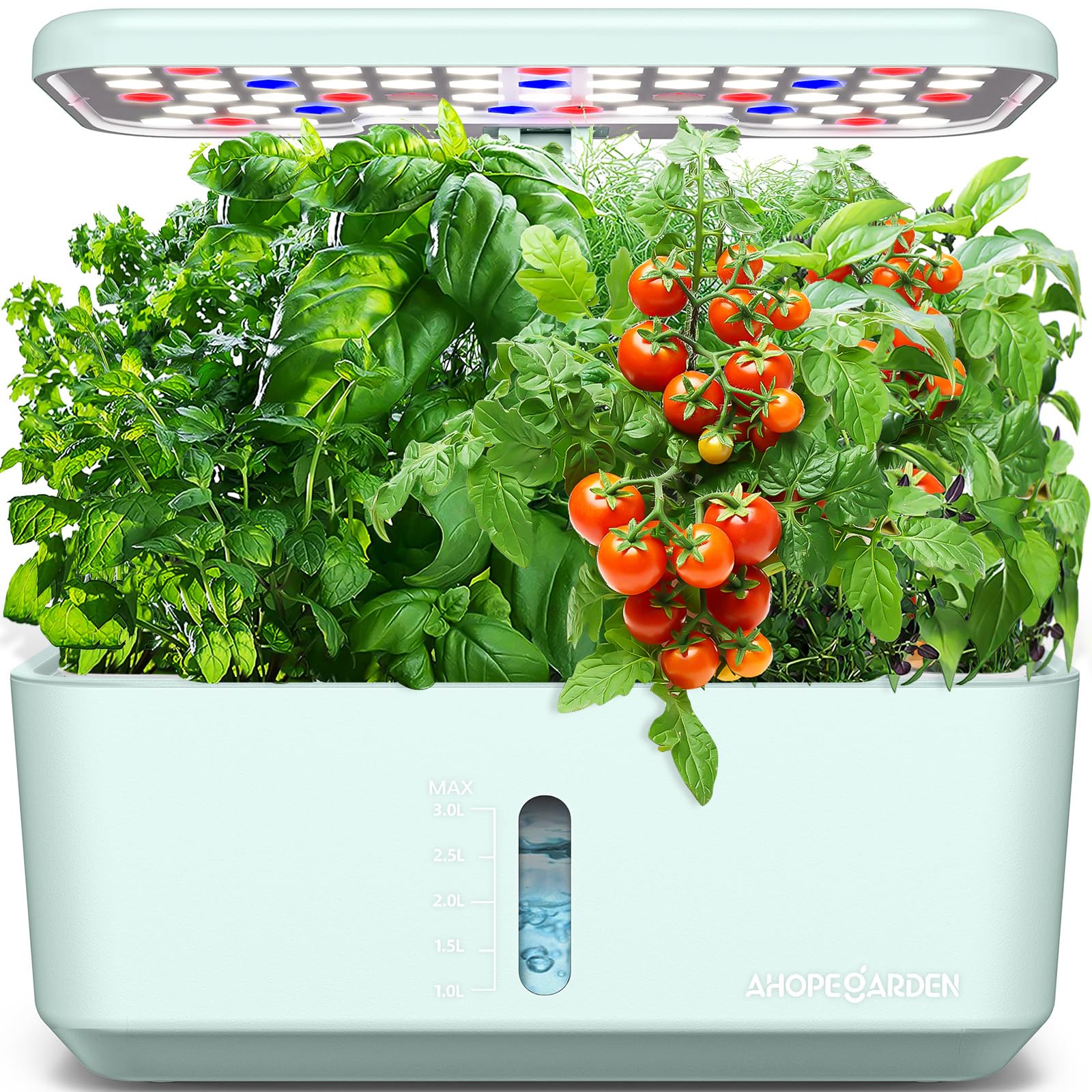
- The system includes a water reservoir, overhead LED grow light, and circulation system.
- It has 10 growing stations and a see-through water level window.
- The light has two modes for vegetables or flowers and fruit.
Best Gift For: A beginner who wants to grow herbs or vegetables indoors with a countertop system.
Mr. Pen Reusable Seed Starter Trays, 5-Pack
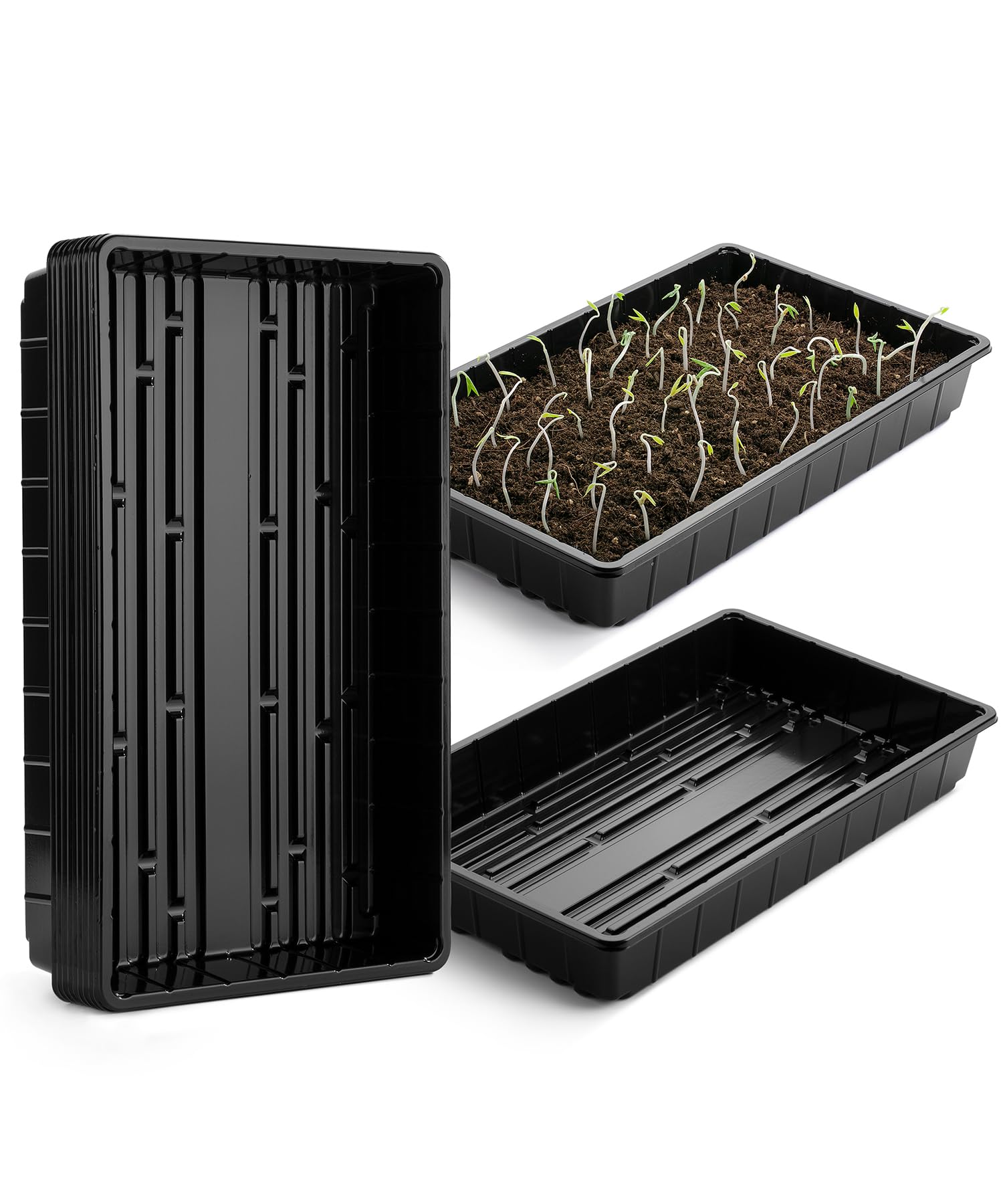
- The title specifies a five-pack of seed-starting trays.
- The plastic trays are designed for repeated use.
- Raised edges help keep the work area neat while potting or mixing soil.
Best Gift For: A beginner gardener starting vegetables, flowers, sprouts, or microgreens at home.
Veradek Demi Series Round Planter
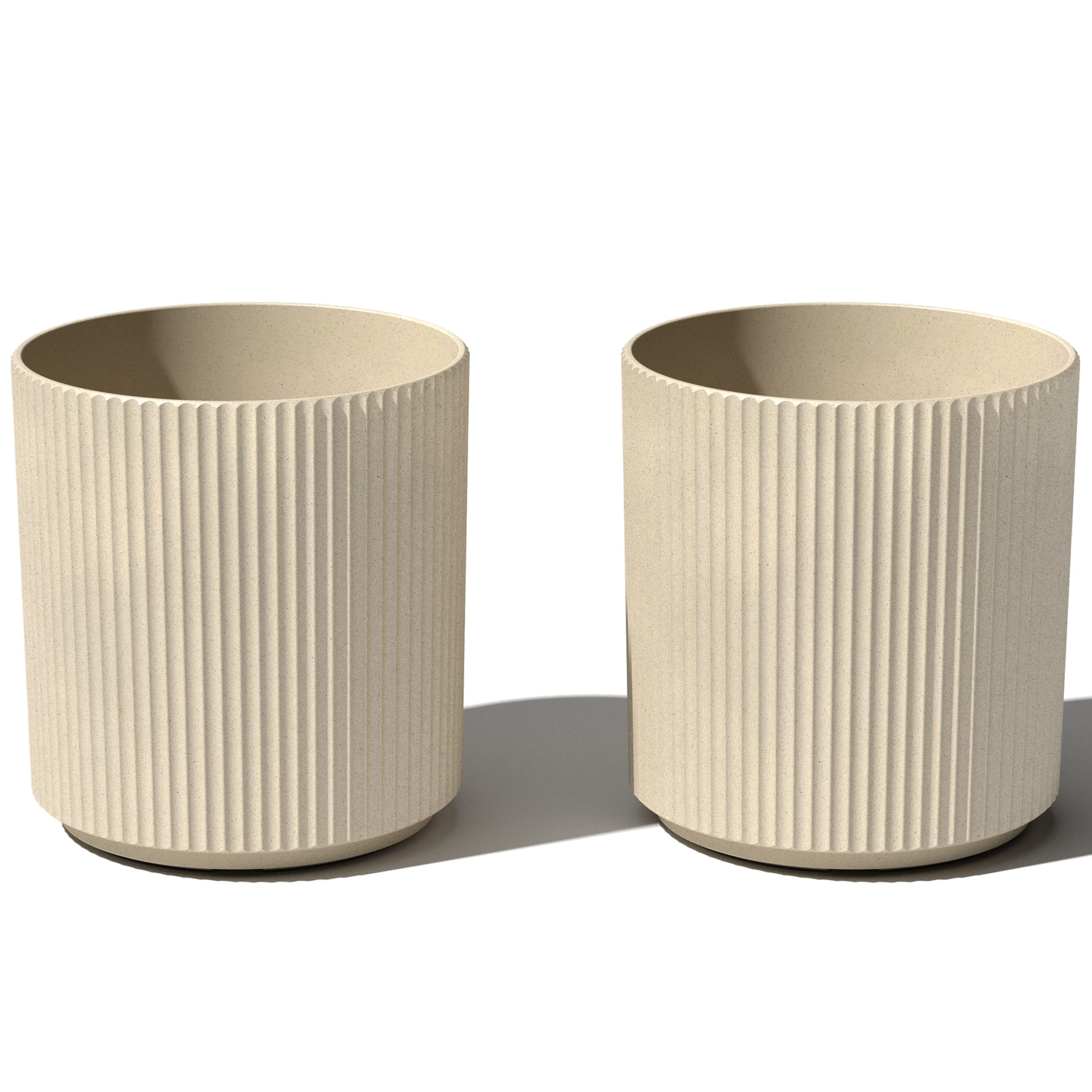
- The planter is made from a plastic-stone composite.
- Pre-drilled drainage holes help manage excess water.
- It is designed for indoor or outdoor use, including the living room, porch, or backyard.
Best Gift For: Someone adding a planter for tall plants or flowers to a porch, patio, or backyard.
14-Inch Resin Woven Hanging Basket
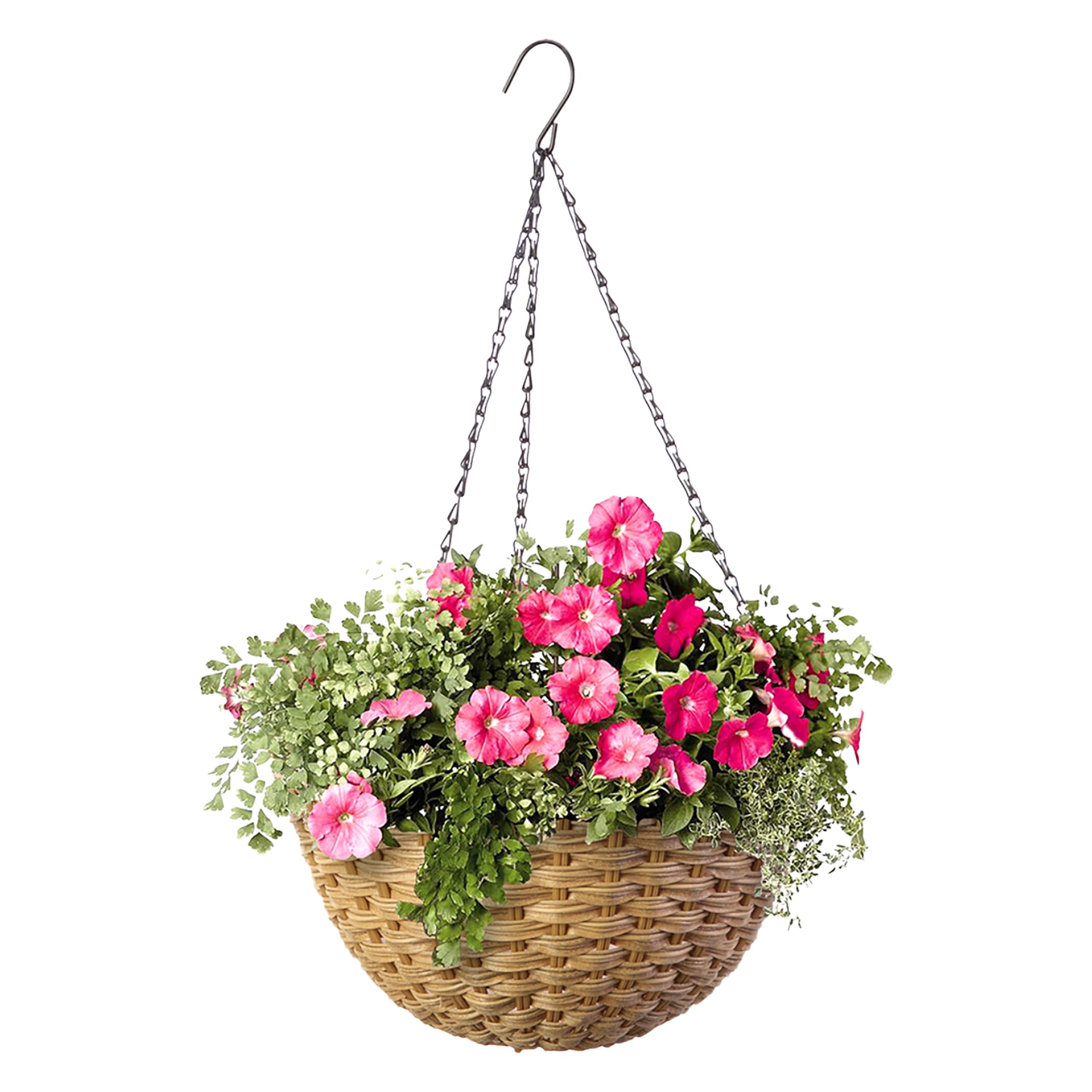
- The hanging basket has a natural wicker look.
- It is made of metal and resin wicker.
- An electrostatic powder coat adds rust resistance.
Best Gift For: A beginner looking for a hanging basket to add to a home or garden display.
1. Match gifts for zero waste beginners to a daily habit
When choosing gifts for zero waste beginners, start with the routine the recipient already has. Someone who cooks most days may appreciate a way to collect scraps or store prepared meals; a commuter may use a refillable drink container more often than a gardening tool.
Think about the home, too. Counter space, outdoor access, and storage all shape whether a new habit is easy to maintain.
A countertop compost bin suits a kitchen routine, while a larger outdoor bin calls for a yard and room to access it.
For someone curious about growing food, consider whether they have a bright window, counter space, or room for planters. A seed-starting project can be a modest beginning, while an indoor growing system offers a more involved activity.
The best fit is something they can use without rearranging their life.
2. Balance the gift with the recipient’s budget and setup
A practical present does not need to start with a large commitment. Reusable containers, a mug, or a bottle can support familiar routines, while a garden setup or outdoor compost bin makes a bigger footprint in the home and often asks for more ongoing attention.
Think through what the recipient may need to use the gift. Composting depends on having an appropriate place for scraps and a plan for the finished material.
Growing projects may need seeds and supplies. When a gift depends on add-ons, you can include a modest starter assortment or make the first step clear in your note.
Check actual prices before buying, since they can change. Compare the full setup against what the recipient already owns, and choose a scale that feels comfortable.
A smaller gift that gets used regularly can be more thoughtful than a larger project that feels like another obligation.
3. Personalize gifts for zero waste beginners
Make gifts for zero waste beginners personal by connecting them to the recipient’s interests. A home cook might enjoy trying a meal-prep routine; a plant lover may be excited to start seeds or grow herbs.
A short note can explain why you picked the item and suggest one easy first use.
Presentation can reinforce the practical nature of the gift. Pair a reusable item with a handwritten recipe, a few favorite tea bags, or a small packet of seeds when appropriate.
Use a reusable tote or paper wrapping that can be repurposed, and keep the package simple so the gift itself remains the focus.
For a larger item, write a card that invites the recipient to choose when to try it. They may prefer to set up a new garden project on a free weekend or bring a travel mug into their routine gradually.
A relaxed invitation keeps the gesture warm without turning it into a pledge.
4. Make the first step easy
A gift feels more useful when the first use is obvious. For kitchen items, consider a simple plan for where it will live and how it fits into a meal routine.
For gardening gifts, a small card with a beginner-friendly project idea can make the first session feel approachable without promising specific results.
For reusable items, think about the recipient’s actual routine: a mug that fits their commute or a container for a lunch they already pack may see more use than a novelty item. If you are unsure, choose a flexible everyday item and leave the precise routine up to them.
If your gift involves equipment or a new process, include time to set it up together if the recipient would enjoy that. Keep instructions and packaging handy, and avoid assuming they already have compatible accessories or the right space.
The aim is to make experimentation pleasant and manageable.
5. Plan ahead and check details before buying
For last-minute shopping, begin with products that fit routines the recipient already has and verify current prices and delivery estimates before placing an order. Availability and arrival timing can change, so leave enough flexibility if the gift is for a specific occasion.
Before checkout, check dimensions, compatibility, and the intended use. Measure the counter, shelf, patio, or storage spot when gifting a larger item, and confirm that a technology accessory matches the recipient’s phone and case.
These small checks reduce the chance of a well-meant present becoming awkward to use.
If timing looks uncertain, consider a local option or a note explaining the planned gift, then confirm the product details when you can. For gifts for zero waste beginners, it is thoughtful to choose something they can begin using at their own pace, with no pressure to change everything at once.