Starting a lower-waste routine can be easier when a useful swap fits naturally into everyday life. These 11 gift ideas range from kitchen habits to seed starting and outdoor gardening.
Consider the recipient’s space and existing setup: a small apartment kitchen calls for different tools than a yard with room for a compost tumbler or raised bed.
11 thoughtful gift ideas for zero waste beginners under 50
EPICA 1.3-Gallon Countertop Compost Bin
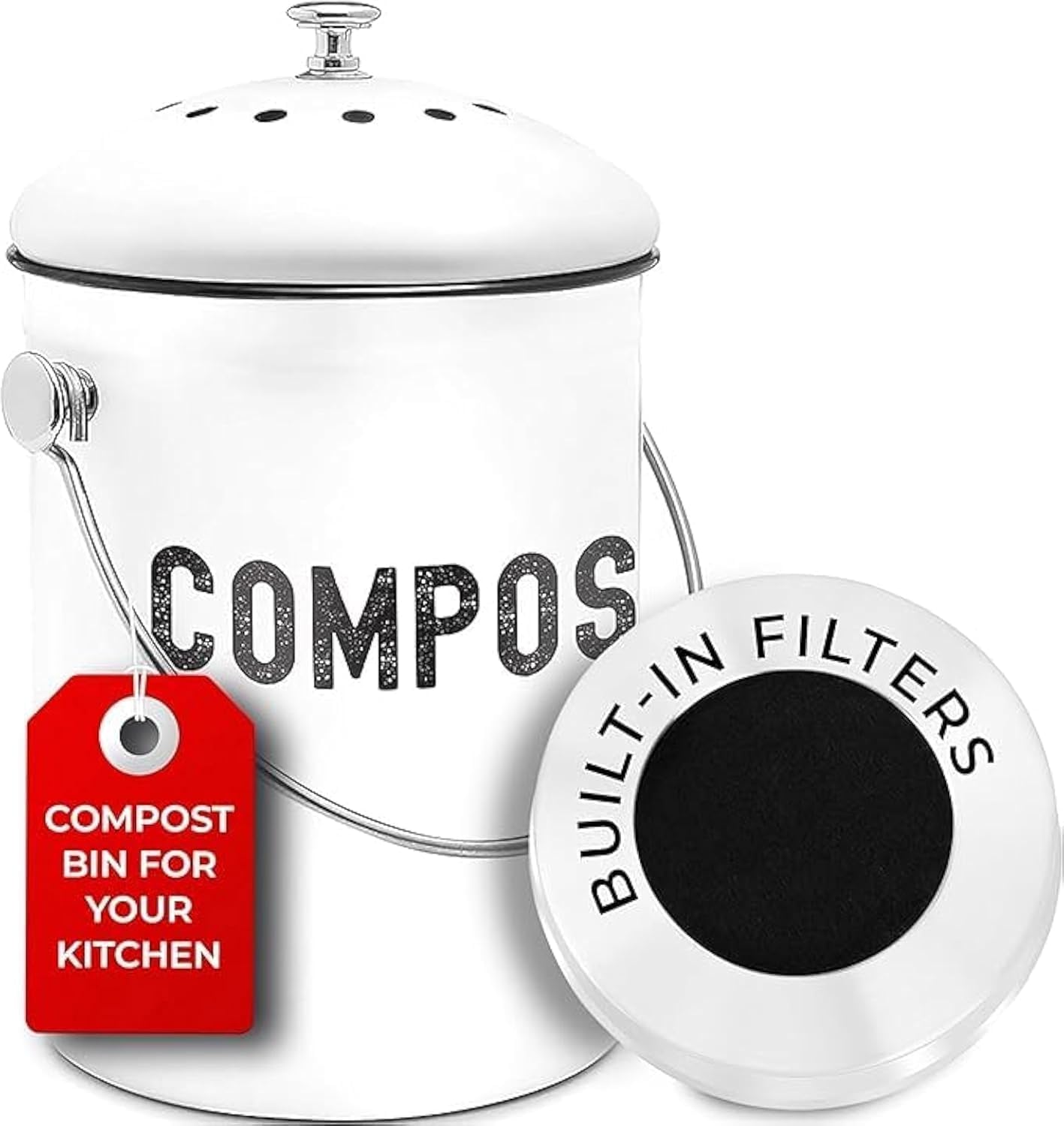
- An airtight lid and replaceable activated-charcoal filter help manage kitchen odors.
- The one-piece molded bin resists rust and leaks and is easy to clean.
- Its compact size is designed to fit on a countertop.
Best Gift For: A home cook who wants to collect food scraps indoors before taking them to a compost pile.

VEVOR 43-Gallon Dual-Chamber Compost Tumbler
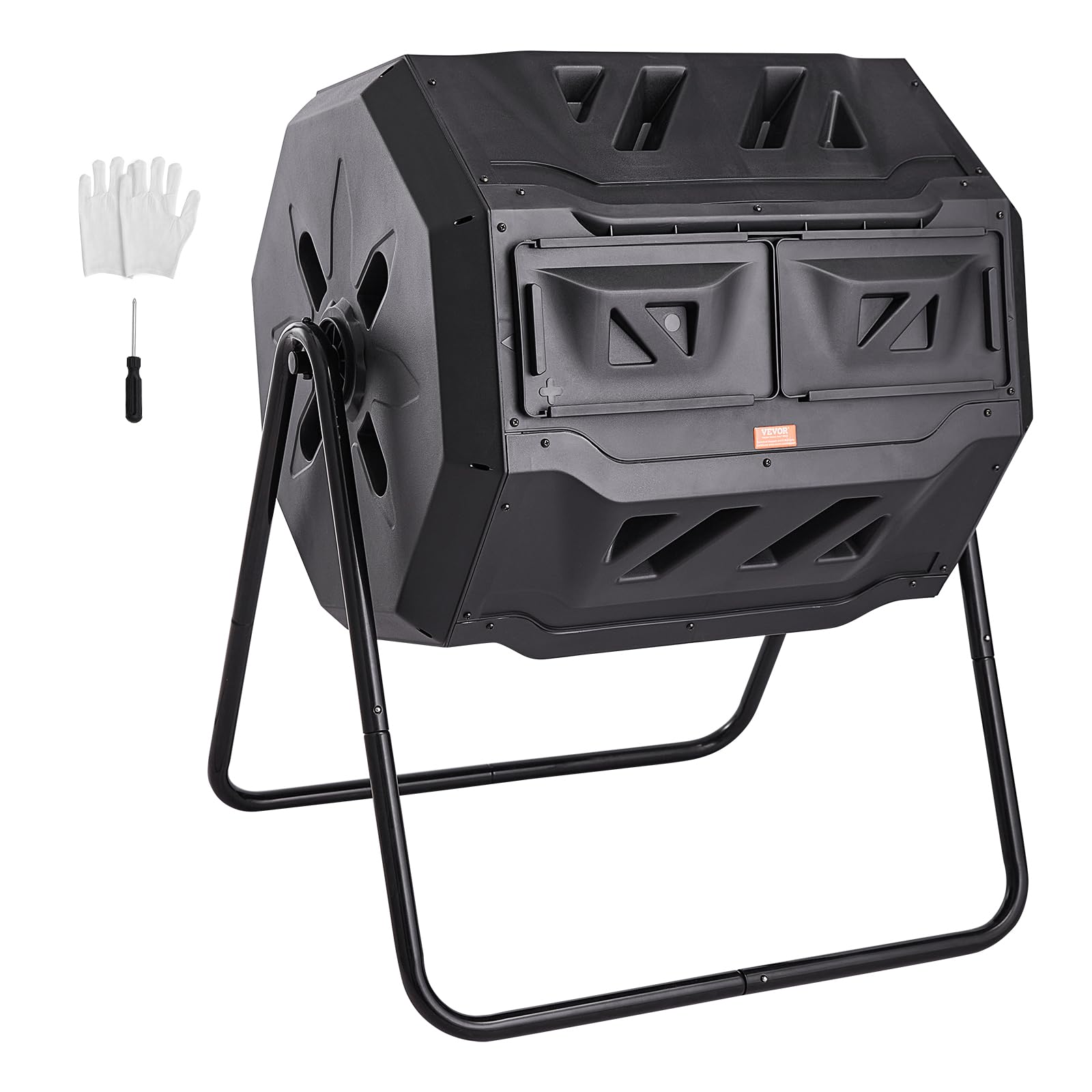
- Two chambers let the user compost in one while adding material to the other.
- A sliding door provides access for adding waste or removing compost.
- The tumbler design mixes contents by rotating the bin.
Best Gift For: A gardener with outdoor space who wants to compost organic material in rotating chambers.
Fellow Carter Move 16 oz Travel Mug
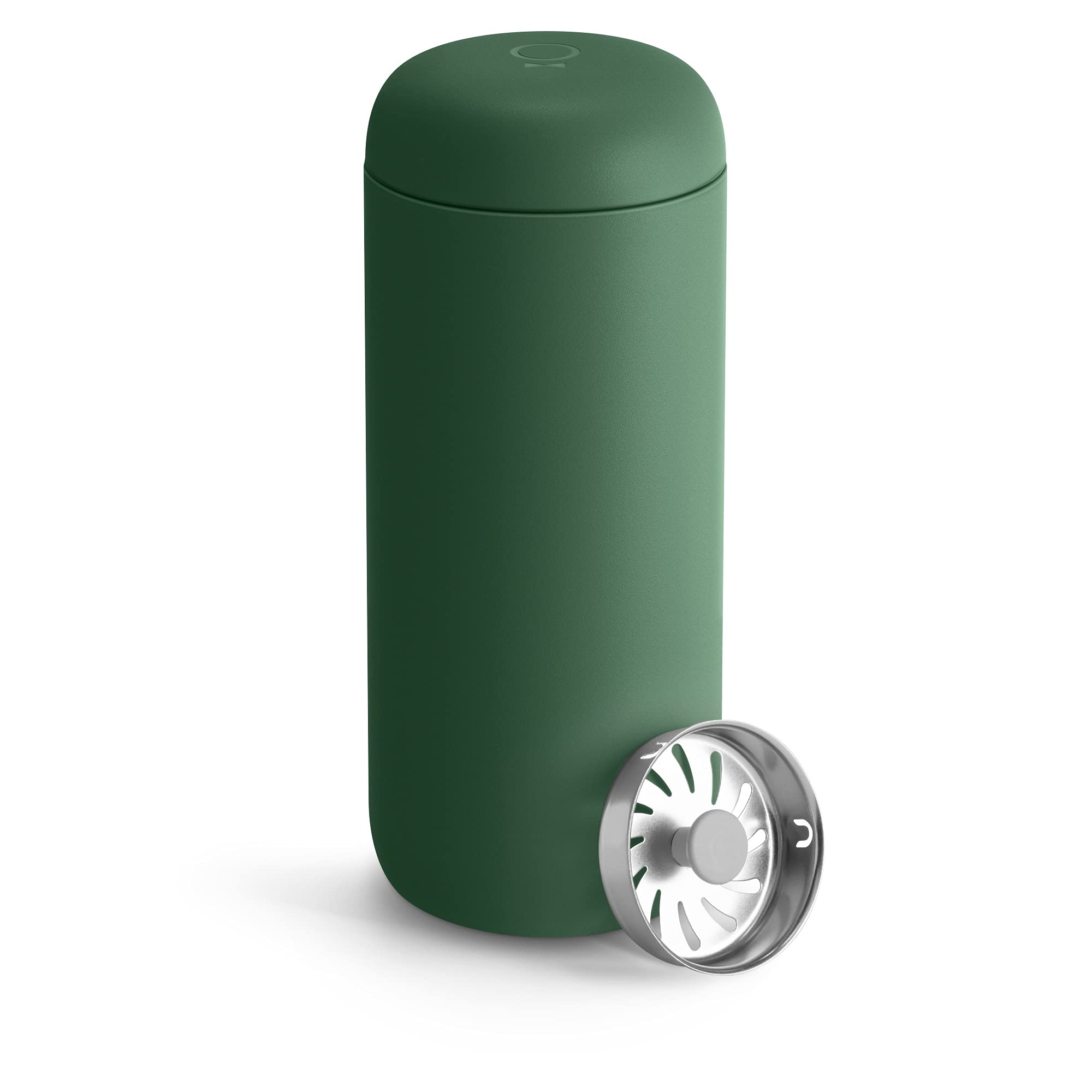
- A ceramic-coated interior is designed to keep drinks free from lingering oils, odors, or metallic notes.
- A removable splash guard helps keep liquid steady when the lid is off.
- The mug is dishwasher safe for cleanup.
Best Gift For: A commuter who wants a reusable mug for coffee, tea, or water on the go.
LETPOT 77-Piece Hydroponic Seed Pod Kit
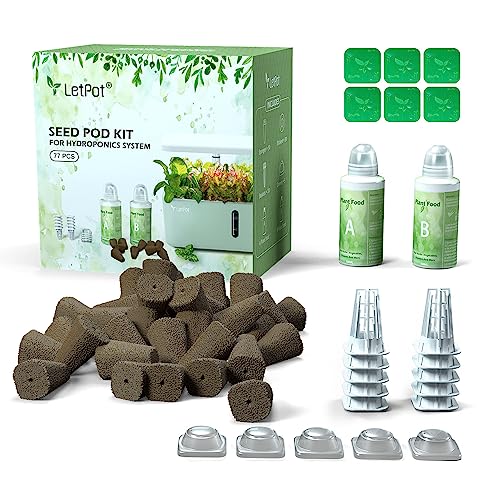
- The kit includes sponges, baskets, seedling covers, stickers, and plant nutrients.
- The natural peat sponges are breathable and absorbent.
- The baskets and grow domes are reusable.
Best Gift For: A beginner with a compatible square-hole hydroponic machine who wants to grow herbs indoors.
Mr. Pen 10-Pack Seed Starter Tray Kit, 400 Cells
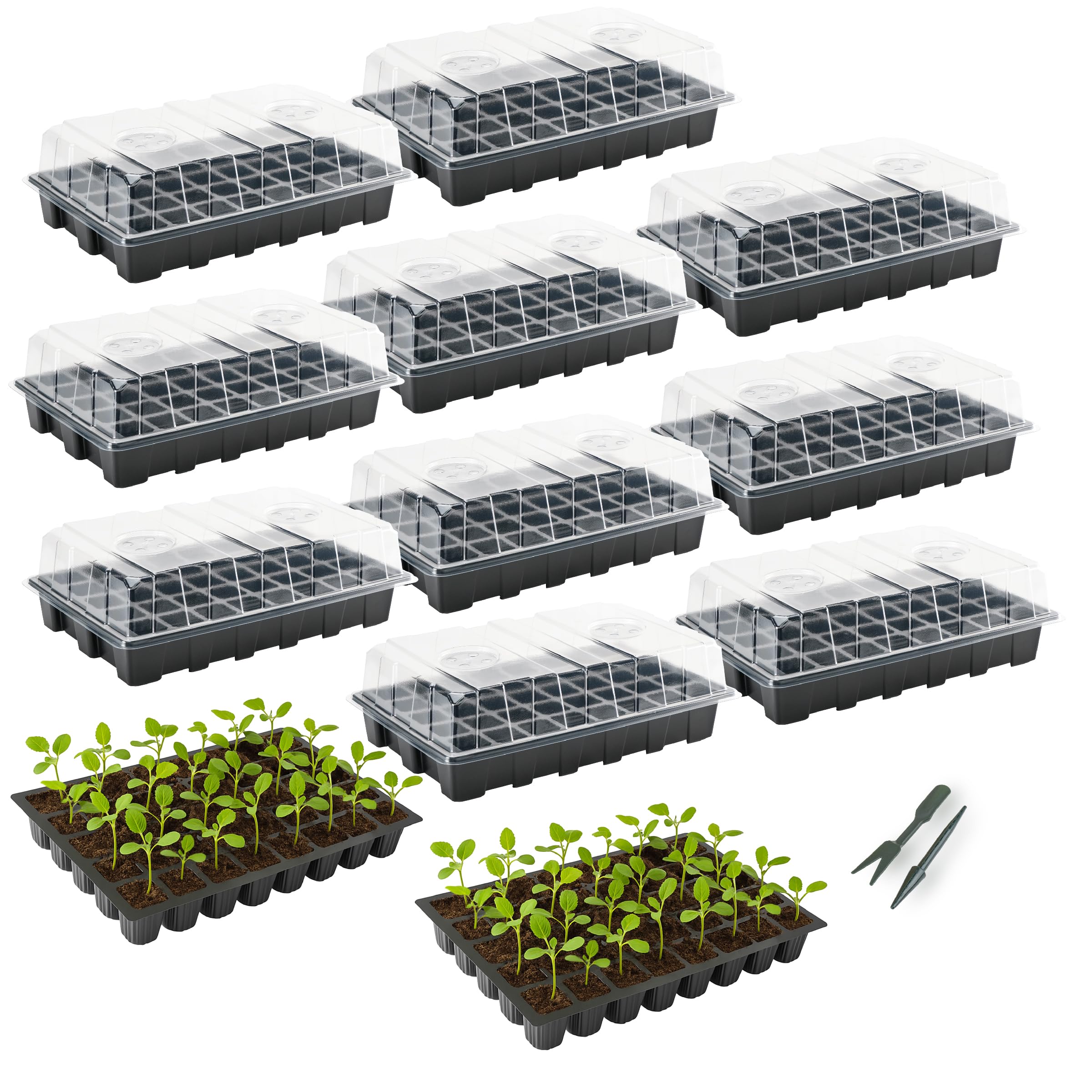
- The set includes 10 trays with 40 cells apiece.
- Vented domes help create warmth and humidity for young seedlings.
- A dibber and widger support sowing and transplanting.
Best Gift For: A new gardener who wants to start seeds at home, in a classroom, or for a greenhouse project.
SONGMICS 2.1-Gallon Hanging Kitchen Bin
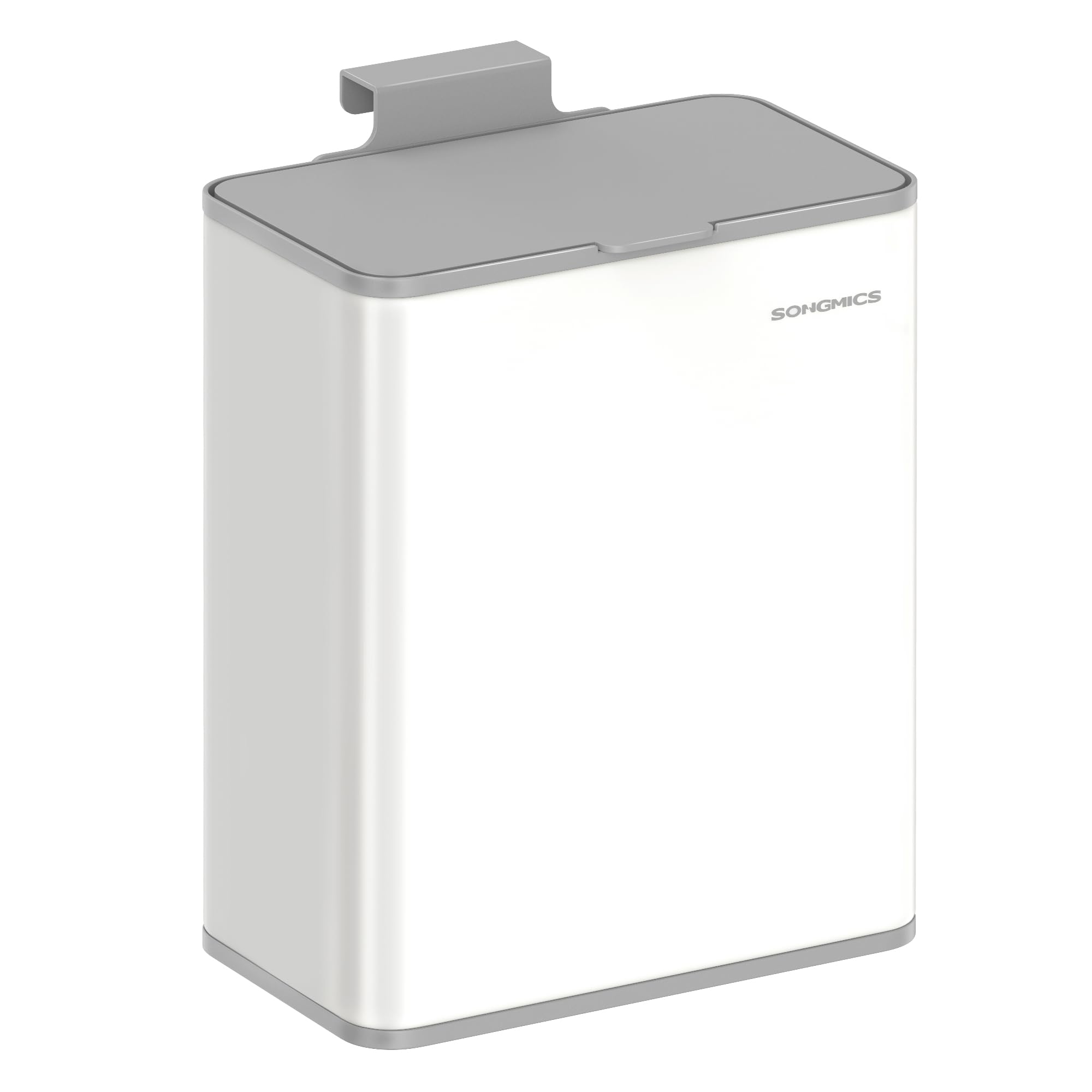
- The bin can hang on a cabinet door, attach to a smooth wall, or sit on a counter.
- Its lid is designed to contain odors.
- A removable inner bucket has handles for carrying or cleaning.
Best Gift For: Someone who wants a compact food-waste bin that can hang on a cabinet door or sit on a countertop.
Prep Naturals 25 oz Meal Prep Containers, 50-Pack
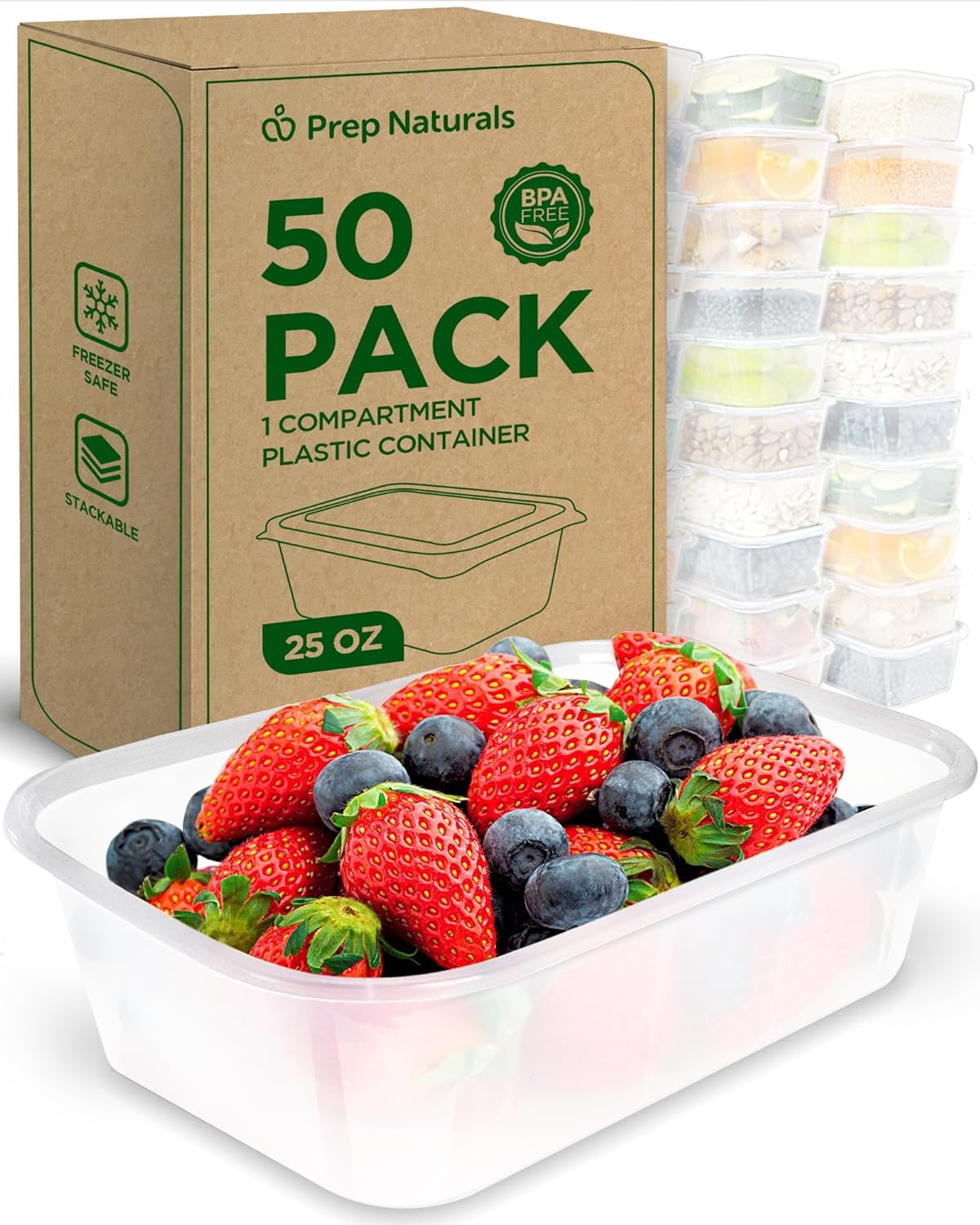
- These meal prep containers are reusable and dishwasher safe.
- They are microwave and freezer safe.
- Airtight lids help prevent spills during transport.
Best Gift For: A meal planner who wants reusable containers for everyday meals, snacks, or leftovers.
SONGMICS 90 L Collapsible Wagon Cart
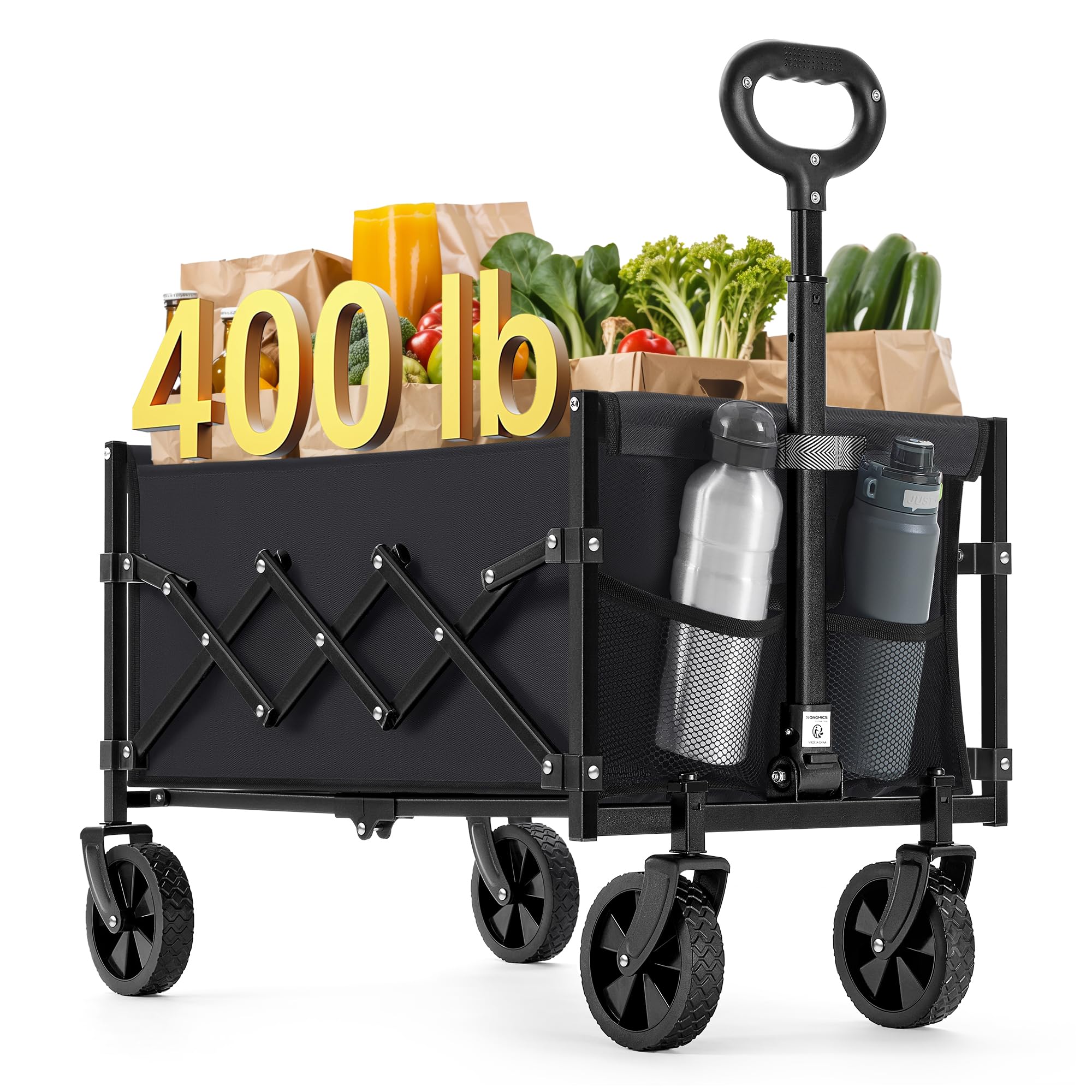
- A drawstring lets the wagon fold for storage.
- The wagon weighs 11 lb, and its handle is secured with a hook-and-loop fastener.
- Two of its four wheels can rotate 360°.
Best Gift For: A gardener who wants to move supplies around a yard or bring groceries and picnic items along.
Veradek Demi Series Round Planter
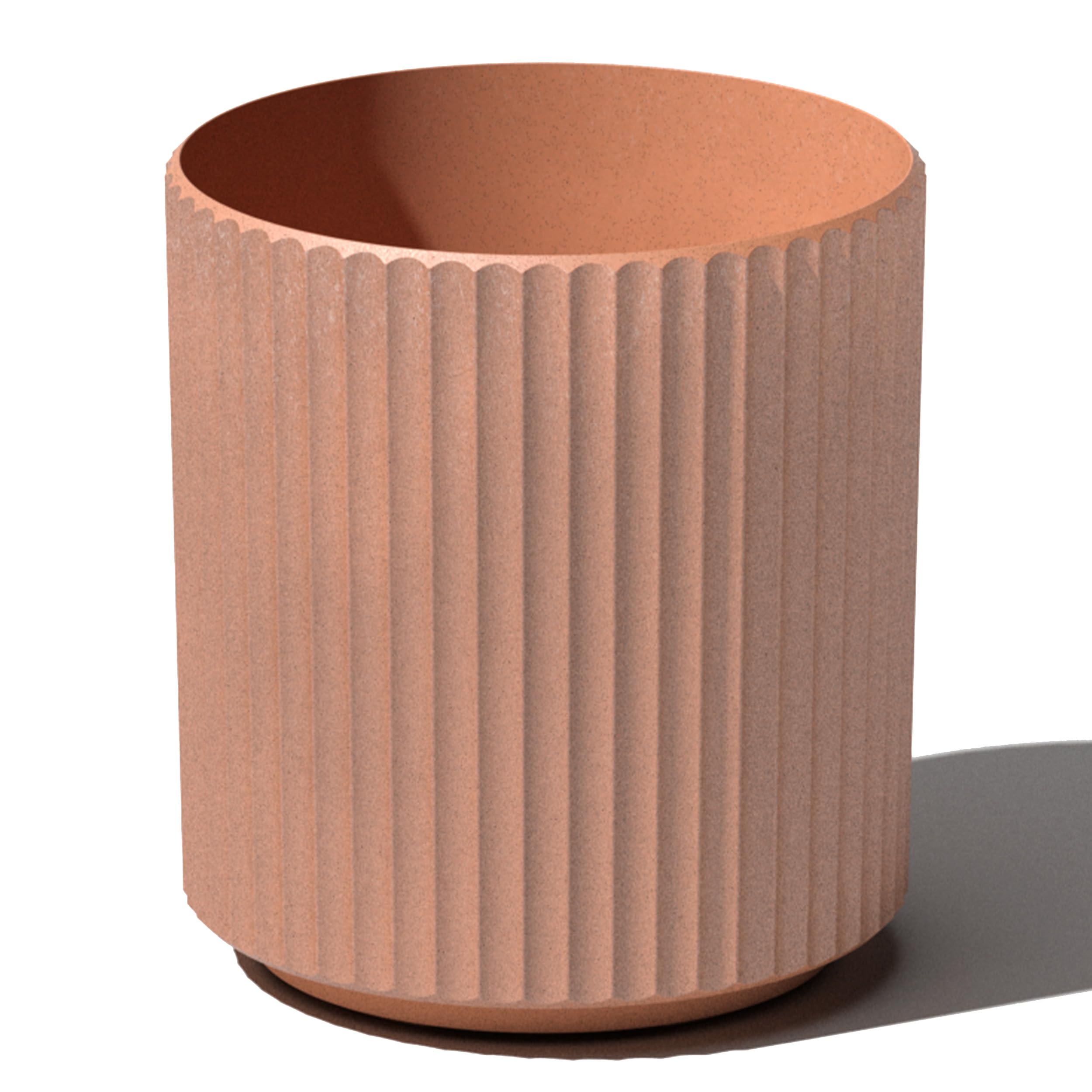
- The planter uses a plastic-stone composite with a textured finish.
- Pre-drilled drainage holes allow excess water to drain.
- Its fluted edges suit contemporary styles.
Best Gift For: Someone who wants to add a planter for a porch, patio, backyard, or living room.
Best Choice Products 4x2x1 ft Raised Garden Bed
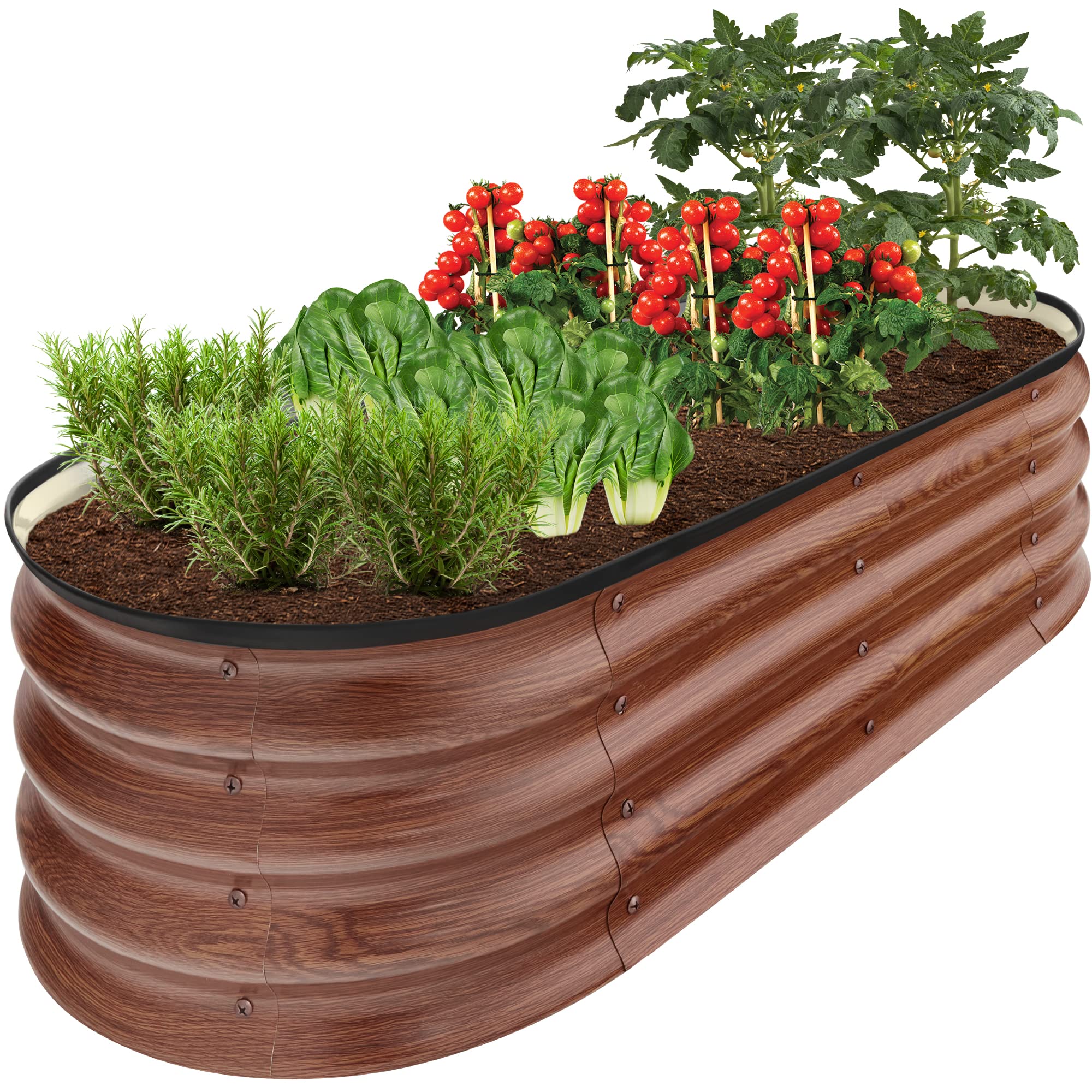
- An open base promotes drainage and lets plant roots access nutrients.
- Wingnuts and bolts are included for tool-free assembly.
- The steel panels are powder coated.
Best Gift For: A beginner who wants to grow vegetables, flowers, or herbs in an outdoor garden bed.
Seedfactor 20 x 20 in Seedling Heat Mat
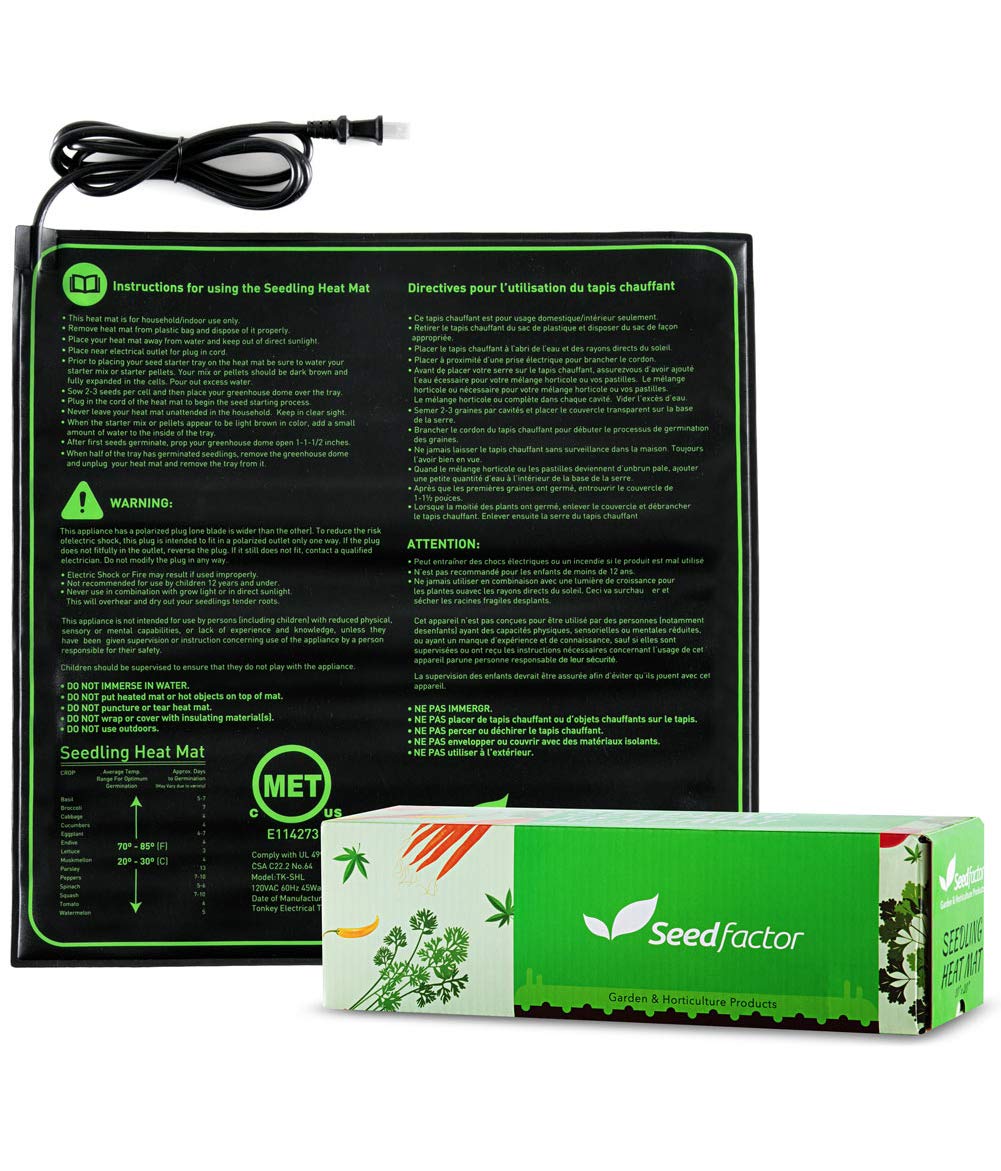
- The waterproof construction is designed for indoor plantings.
- The medium size is 20"x20" and rated at 45W.
- The mat is designed for more uniform heating.
Best Gift For: A home gardener starting seedlings indoors who wants a heating mat for a growing setup.
Choosing gifts for zero waste beginners under 50
For gifts for zero waste beginners under 50, start with the habit the recipient already wants to build. Someone who cooks daily may welcome a way to sort scraps or bring a reusable mug along, while a person with outdoor space may be ready to experiment with composting or planting.
Think about where the new item will live. A small kitchen may have little counter or cabinet room, and an outdoor garden bed or tumbler needs a suitable spot.
A gift that fits the recipient’s actual routine is easier to use than one that creates a new storage problem.
If you are unsure what they already own, choose a flexible everyday item or ask a close friend or household member about their setup. For growing gifts, check whether the recipient has a compatible system or space for the project before choosing a kit.
Balance the budget with the whole setup
A modest gift can start a new habit without requiring a full home makeover. Compare the practical role each item would play: a reusable container supports meal planning, while growing supplies or compost equipment may be more useful for someone already tending plants.
For gifts for zero waste beginners under 50, account for the pieces the recipient may need alongside the main item. Garden projects can call for soil, seeds, or a place to grow; a kitchen collection routine needs a convenient way to carry scraps to its next destination.
Check actual prices before buying, since they can change. Also consider the recipient’s existing tools and whether the gift adds a useful function or duplicates something they already use.
A smaller, well-matched starter item can feel more thoughtful than a larger project with extra needs.
Personalize and present the first step
The most useful gifts for zero waste beginners under 50 connect to a person’s interests and make the first use easy. Pair a growing kit with a handwritten note suggesting a few herbs they already cook with, or add a favorite recipe to reusable meal containers.
Presentation can reinforce the reason for the gift without adding clutter. Use a simple card to explain the habit you had in mind, and wrap the item in something the recipient can reuse if practical.
For a larger garden gift, offer to help choose a spot or plan a first planting together.
Keep personalization specific to their routine. A commuter may appreciate a note about the morning coffee stop; someone who cooks for a household might value help organizing a meal-prep day.
Avoid assuming that every beginner wants a demanding project or has room for extra equipment.
Make a useful choice without rushing
When time is short, pick a gift with a clear purpose and a setup the recipient can understand. Everyday kitchen items may be simple to introduce, while planting or compost projects benefit from knowing the available space and what supplies are already on hand.
Before ordering, check current product details, fit, compatibility, dimensions, and delivery estimates. A garden item may need a particular place to sit, and growing accessories may need to match equipment the recipient already owns.
Avoid relying on a delivery date until it is confirmed for your address.
If there is not enough time to sort out a larger setup, choose a smaller starter gift and include a note about building the habit gradually. That gives the recipient room to decide how it fits their home, schedule, and interests.
Help a new habit take root
A thoughtful lower-waste gift works best when it feels manageable. Encourage the recipient to start with one change, such as carrying a reusable mug, setting up a place for food scraps, or trying a few seeds, then expand only if the routine suits them.
Give the person space to adapt the idea to their household. Kitchens, gardens, schedules, and storage all differ, so practical flexibility matters more than following a perfect routine.
A kind note can make the gift feel like an invitation rather than a set of instructions.
If you are choosing among several possibilities, focus on what they already enjoy doing and the small improvement they would notice often. That approach keeps the gift personal and useful well after the wrapping is put away.